Naples Didn't Replace Michael's This Year. It Split It in Two.
August 27, 2026
August 27, 2026
Walk the short stretch near the Colonnade on any weeknight this spring and you'd have passed two lit-up dining rooms standing shoulder to shoulder, both descended from the same kitchen. One still had a construction crew finishing the buildout. The other had already sold out its second seating.
That's the part of the story most people miss when they hear that Michael's on Naples closed. They hear "closed" and assume the block lost something. What actually happened is stranger and, if you live here, more useful to understand: the restaurant didn't disappear. It split.
Michael's on Naples ran for years as the neighborhood's reliable version of special occasion Italian, the place you booked for anniversaries and the place regulars name when they explain Naples to out-of-towners. It closed in late 2025, not for lack of business but because the building sold to the Kronfli brothers' restaurant group, the team behind Bacari. That deal turns the old Michael's space into Bacari's tenth location and its first in Long Beach, joining sister spots in Silver Lake, Beverly Hills, Sherman Oaks and Culver City. The Kronflis are bringing their usual small-plates format: barramundi crudo, green falafel, wood-fired pizza, cocktails built around names like the Bacarita.
Here's the part that makes Naples different from a neighborhood that simply lost a favorite to a bigger chain. Massimo Aronne, the hospitality veteran who led Michael's on Naples through that run, didn't leave the block. He opened Massimo's Naples one door down on February 4, and he brought the actual kitchen team with him. Chef Eric Samaniego is back at the stoves. Julio Van Schuerbeck, the pizzaiolo who spent years working the Michael's oven, is now running the Forno Classic at Massimo's, turning out the same red-sauce pies and pesto-drenched rounds regulars used to order two doors down. The new menu keeps the through-line: octopus and potatoes with Castelvetrano olives and confit garlic, a starch-on-starch pasta e patate that reads like comfort food dressed for a nicer table, and an Italian wine list running from Grillo and Fiano to Etna Rosso.
So the question a longtime Naples diner actually needs answered isn't "what replaced Michael's." It's "which half do I want tonight." The room, the address, and the brand recognition went to Bacari. The hands that actually cooked your favorite dish went next door under a new name. That's not a neighborhood in transition. That's a neighborhood keeping its cooks and losing its sign.
The pattern repeats at the water's edge, just with less drama and better coffee. Gondola Getaway has run Venetian-style cruises through the Naples canals since 1982, the oldest operation of its kind in the country. This spring the company opened Gondola Café, a fully outdoor coffee window right beside its gondola slips on East Ocean Boulevard. It's not a new operator moving in on a business that already had the dock locked down. It's the same business deciding a walk-up window belongs next to the boats it's been launching for more than four decades.
Owner Mike O'Toole described the café's signature drink, a tiramisu-inspired misto, as something close to a dessert you can drink:
"It's creamy, cocoa-dusted comfort in a cup, almost like a liquid ladyfinger."
The hours are still finding their footing, running weekday mornings starting at 10 and weekend mornings starting earlier at 8:30, with the team weighing an expansion once the season proves out demand. That's a small, unglamorous detail, but it tells you something real about how Naples businesses actually grow here. Nobody is franchising in from outside and guessing at what the block wants. The people who already know the foot traffic, because they've watched it from a gondola for forty years, are the ones deciding when to unlock the window.
The same crew is also the reason Naples has a rowing tradition most residents have never noticed. Every year, Gondola Getaway sends a handful of its most experienced gondoliers, Tom Wood, Scott Engedal, Nick Washburn and Sam Cowan among them, to compete in Venice's Vogalonga, the long-distance non-motorized boat race that draws rowers from across Europe. It's a strange, small fact about a Long Beach neighborhood, and it says something about how seriously the people running the canals here take the bit. This isn't a theme. It's a craft they keep practicing at the source.
If you want the clearest evidence that Naples treats change as something to absorb rather than resist, look at where the neighborhood actually gathers. The Naples Improvement Association runs a free summer concert series at the Colonnade, the small park on the south end of Naples that overlooks the bay, every month from May through September. The shows run early evening, six to eight, and this year's June concert added a chili cook-off alongside the band. It's the kind of low-key civic event that never makes a headline outside the neighborhood, which is exactly why it's worth naming here.
What most people standing on that lawn don't know is that the ground under their picnic blankets used to be water. The Colonnade was originally a canal, part of the same system that still runs through the rest of Naples. The 1933 Long Beach earthquake destroyed the wooden seawalls the original developers had built there, and when the walls came down, the canal filled in with sediment rather than getting rebuilt. Rather than restore it as a fourth waterway, the city paved it as a road and eventually turned the strip along the water into the small park that exists today, with night lighting added in 2008.
That's the whole neighborhood in one plot of land. A piece of infrastructure gets damaged, and instead of disappearing, it becomes something else people actually use, in this case a place to sit and listen to a cover band on a Tuesday in July. The same logic explains why Michael's on Naples isn't really gone and why Gondola Getaway's answer to a slow morning was a coffee window instead of a for-lease sign.
None of this is a market signal, and it isn't meant to be one. It's a description of how a specific, small, walkable neighborhood keeps its character even as individual buildings change hands. The block near the Colonnade currently has two Italian kitchens sharing a bloodline instead of one closing and a stranger moving in. The gondola dock has a coffee window because the people who've run the boats for forty years decided it should. The park that hosts your summer concert used to be underwater, and nobody thought that was a reason to abandon it.
If you've lived in Naples for any stretch of time, you already know this rhythm even if you'd never named it. The businesses that define daily life here tend to survive their own closures by turning into something adjacent, run by the same people, a few doors down. That's a different kind of neighborhood stability than low turnover or steady foot traffic. It's continuity that shows up as reinvention instead of preservation, and it's the reason a walk from the Colonnade to the gondola landing still feels like the same Naples it always has, even when half the storefronts along the way have new names on them.
Whether you're weighing what any of this means for a home you already own here, or you're simply the kind of resident who likes knowing why the park exists before you sit down on it, that's the version of local knowledge worth carrying. For more on what's changing across Long Beach's waterfront neighborhoods, or a conversation about your own Naples property, the team at LeonardR Group is glad to talk. Give Your Home the Christie's Touch.
Stay up to date on the latest real estate trends.
A Guide to Timeless Design for Your Malibu Property.
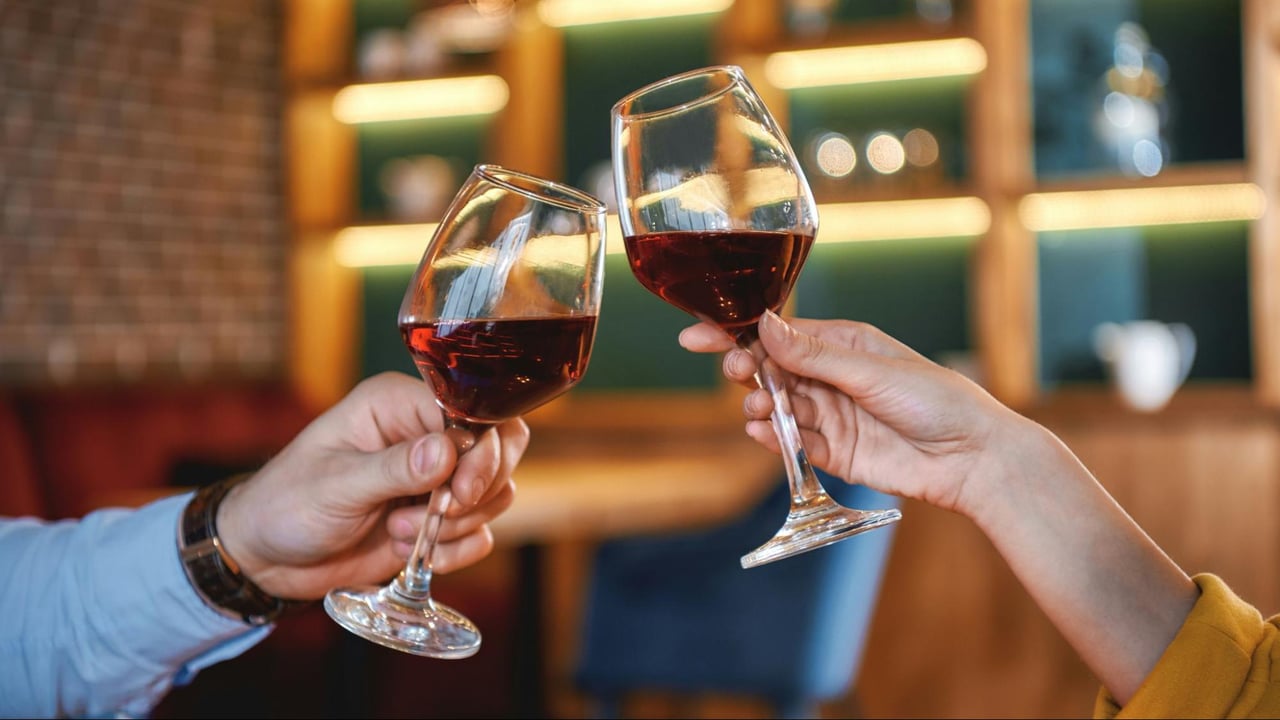
A Luxury Builder's Guide to Creating the Perfect Wine Cellar in Your Home.

GIVE YOUR HOME THE CHRISTIE’S TOUCH
LeonardR Group, distinguished luminaries in the realm of real estate, boast an illustrious track record of orchestrating multimillion-dollar transactions in the opulent locales of Brentwood, Beverly Hills, Bel Air, and Malibu. Whether you aspire to buy or sell, rest assured that in their refined stewardship, you shall be endowed with unparalleled resources, consummate expertise, and a network of connections to secure the epitome of value.