By Leonard Rabinowitz
In Beverly Hills, art tends to do more than decorate a room. It frames the mood of the home, signals confidence without saying much, and gives a property a more personal kind of luxury. That's why collecting well matters here. The right pieces can make a contemporary hillside residence feel warmer, a classic estate feel sharper, and a quiet sitting room feel far more memorable.
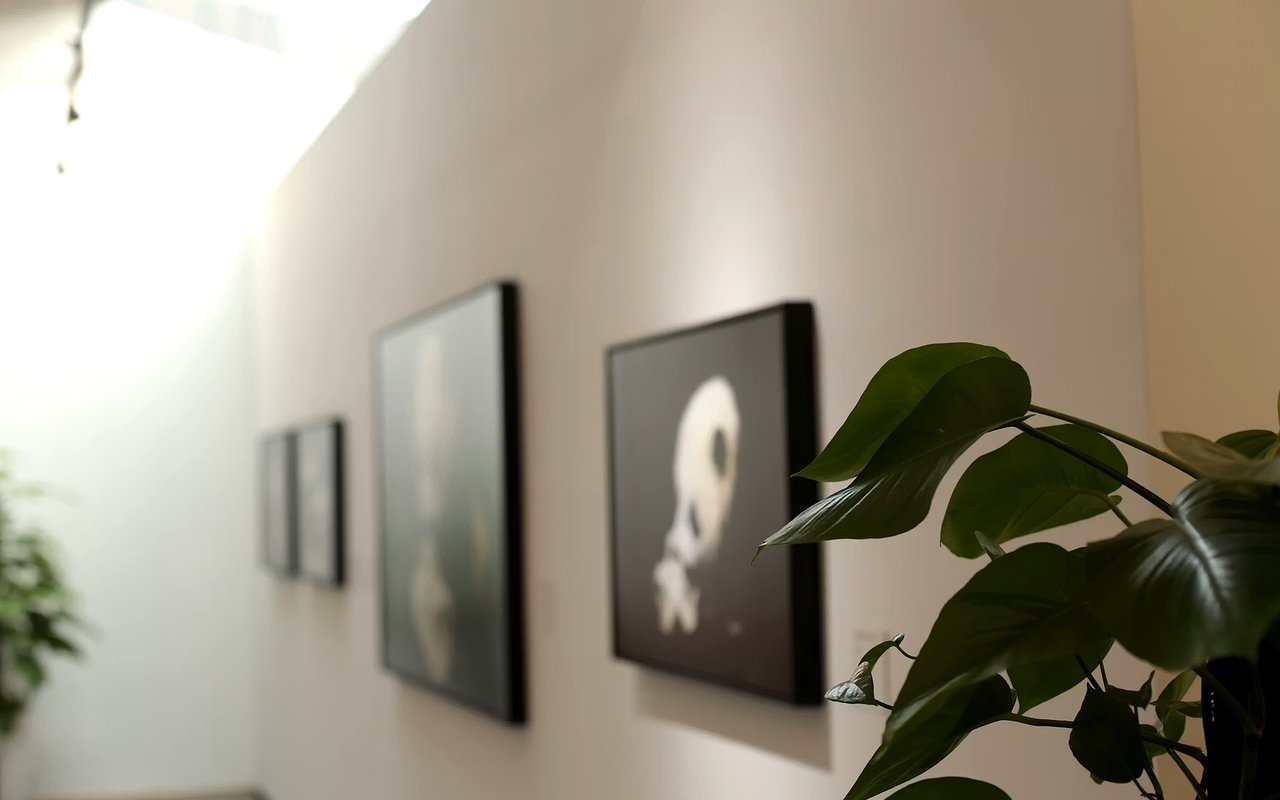
When I talk with clients about building your home gallery, I usually start with one idea: collect with purpose, not just with momentum.
Key Takeaways
- Start with the architecture before choosing the art.
- Buy fewer pieces, but buy them more thoughtfully.
- Use scale, lighting, and spacing as part of the collection strategy.
- Let the Beverly Hills setting inform the tone of the collection.
Start With the Home, Not the Inventory
A strong collection usually begins with the house itself and the kind of atmosphere it naturally wants to create.
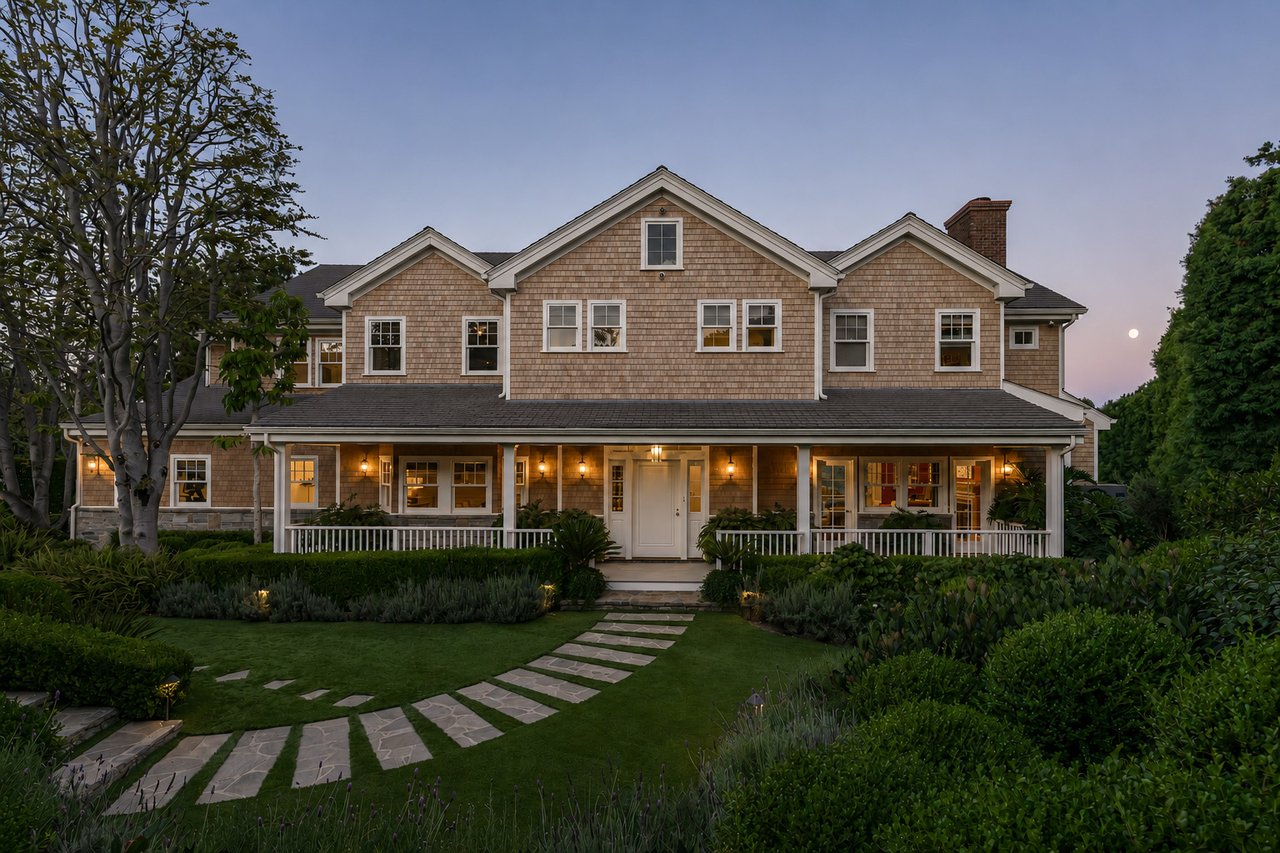
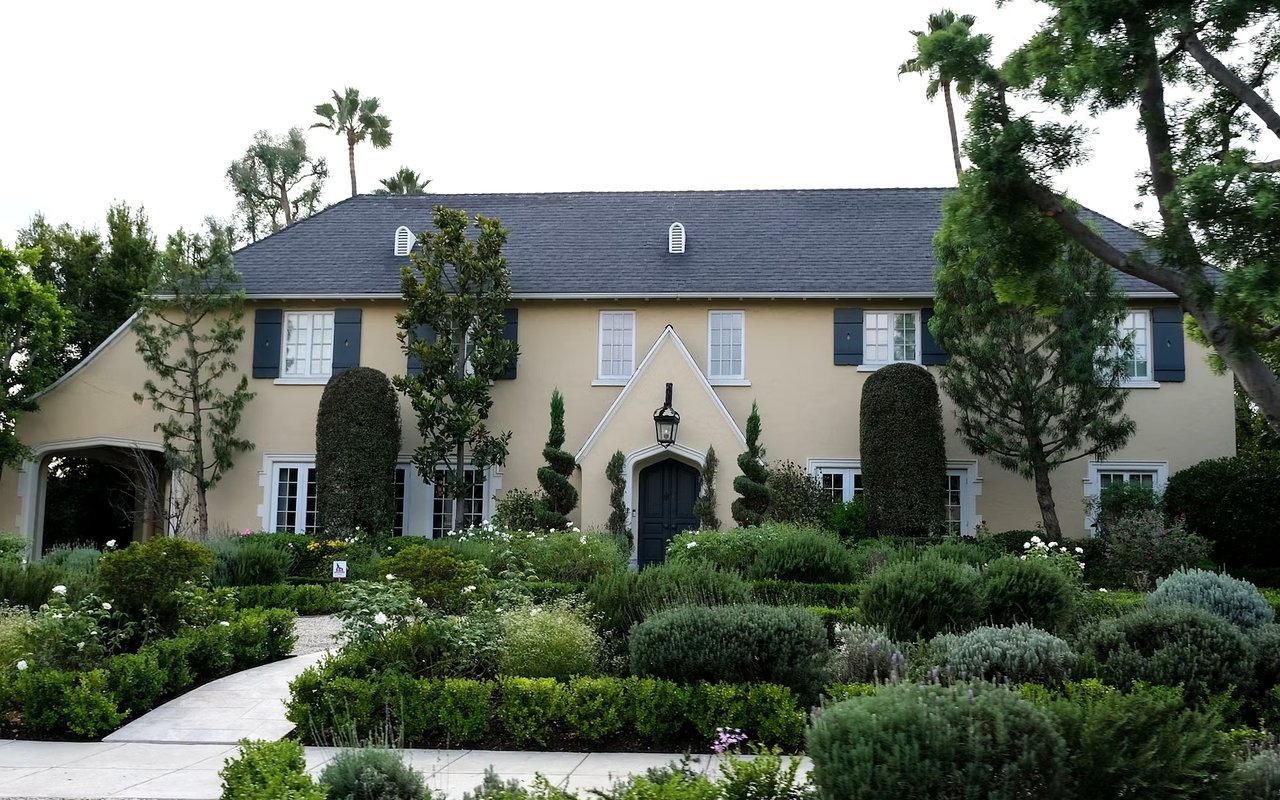
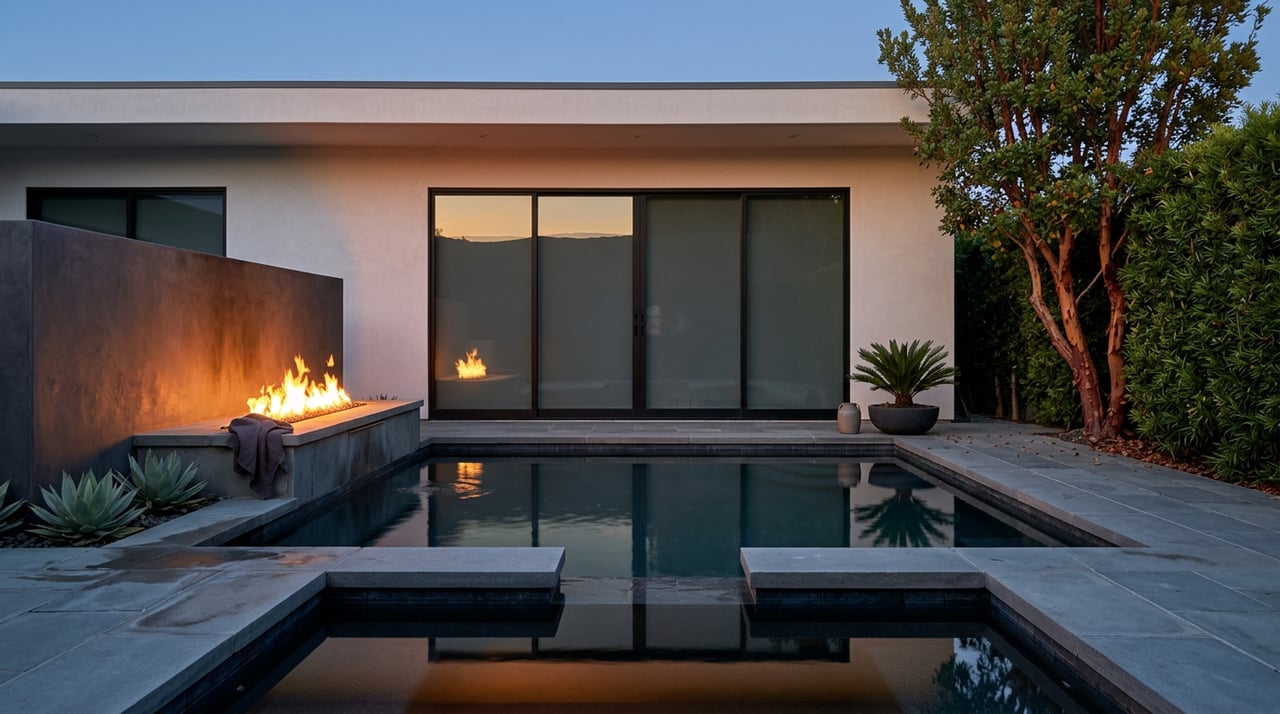
- Read the architecture first: Clean-lined contemporary homes often support bolder scale and sparer hanging plans, while more traditional Beverly Hills residences may benefit from richer layering and more classic framing.
- Identify the emotional tone: A home can feel serene, dramatic, intimate, or highly social, and the artwork should reinforce that tone instead of pulling against it.
- Choose the key walls early: Entry halls, stair landings, formal living rooms, and long gallery-like corridors usually carry the most visual weight and deserve the most deliberate decisions.
The best collections feel like they belong to the house from the beginning, even when the pieces were acquired over time.
Buy for Cohesion, Not Just for Excitement
A great piece can still be the wrong piece if it disrupts the larger rhythm of the home.
- Set a loose point of view: You do not need every work to match, though it helps to know whether you are drawn more to abstraction, photography, contemporary portraiture, California light, or sculptural work.
- Repeat one or two visual threads: Similar tonal ranges, materials, framing styles, or subject moods can make different artists feel more naturally connected.
- Leave room to edit later: A home collection should evolve, and that usually means resisting the urge to fill every wall too quickly.
This is one of the most important parts of building your home gallery, because restraint often creates more elegance than sheer quantity.
Use Scale Like a Designer Would
Scale changes everything, especially in Beverly Hills homes where ceiling heights, sight lines, and room volume often ask more from the artwork.
- Match the art to the room volume: A small work can disappear on a long plaster wall, while an oversized canvas can give a double-height room the grounding it needs.
- Think in pairs and groupings: Diptychs, triptychs, and tightly edited salon-style groupings can solve larger walls more beautifully than one piece that feels slightly undersized.
- Respect the furniture below: Console tables, sectionals, fireplaces, and credenzas should help anchor the art rather than compete with it.
When scale is right, the room relaxes immediately, and the collection feels far more intentional.
Treat Lighting as Part of the Collection
Artwork can only do its job fully when it is lit in a way that respects both the piece and the room around it.
- Layer the lighting plan: Natural light, recessed lighting, picture lights, and accent fixtures should work together rather than leaving the art dependent on one source.
- Protect sensitive works: Works on paper, textiles, and some photographs should be positioned carefully to avoid harsh direct sun and unnecessary fading.
- Use lighting to shape mood: Softer lighting can make a private study or bedroom gallery feel intimate, while sharper, focused lighting can give a main entertaining space more drama.
A collection that is hung well but lit poorly will never feel complete, no matter how good the art is.
Mix Investment Pieces With Personal Finds
The strongest home galleries usually combine credibility with personality.
- Anchor the collection with one or two serious works: These pieces often set the tone and give the collection its center of gravity.
- Layer in personal discoveries: Smaller acquisitions from travel, local galleries, emerging artists, or family history can keep the home from feeling overly programmed.
- Use sculpture and objects thoughtfully: Pedestals, ceramics, and small-scale sculptural pieces can make bookshelves, consoles, and quiet corners feel collected rather than staged.
That balance keeps the home feeling sophisticated without making it feel overly precious or impersonal.
Let Beverly Hills Influence the Mood
Beverly Hills has a very specific visual language, and the most compelling collections usually respond to it in some way.
- Lean into light and openness: Homes here often benefit from work that can hold its own against bright rooms, strong indoor-outdoor transitions, and generous architectural volume.
- Match the lifestyle of the house: Entertaining spaces may call for more confident, conversation-starting work, while private wings may support softer and more introspective pieces.
- Think beyond trend: In a market this refined, art should feel enduring enough to live with for years rather than tied too closely to one moment in the design cycle.
This is where building your home gallery becomes less about decorating and more about shaping the identity of the house itself.
FAQs
Should every room in a luxury home have art?
Not necessarily. Some rooms benefit from strong restraint, and a few blank walls can give the rest of the collection more presence. The goal is not coverage. The goal is impact.
Is it better to buy one major piece or several smaller ones?
That depends on the room and the collection strategy. In many Beverly Hills homes, one exceptional piece can do more than several weaker ones, especially in a main entertaining area or entry sequence.
How often should a home gallery be updated?
Usually more slowly than people think. A strong collection should evolve, though constant rotation can keep the home from ever feeling settled or resolved.
Contact Leonard Rabinowitz
If you're thinking about how art can strengthen the identity of your home, I'd be glad to help you think through the process with a more architectural and lifestyle-driven lens. In Beverly Hills, the most memorable interiors tend to feel curated rather than crowded, and the artwork often plays a major role in that balance.
Reach out to me,
Leonard Rabinowitz, for guidance on how a collection can elevate not just a wall, but the entire feeling of the home.